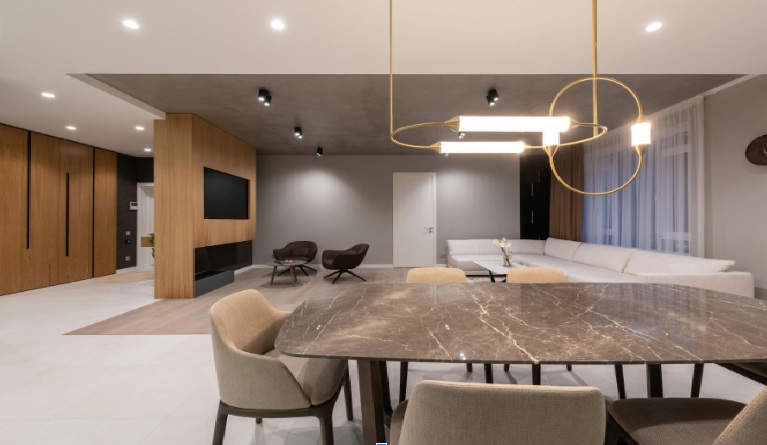

Energy costs continue to rise, making efficient lighting design more crucial than ever for homeowners. Smart lighting choices can dramatically reduce your monthly bills while creating beautiful, functional spaces. Modern residential lighting design goes beyond simply choosing attractive fixtures—it’s about creating systems that minimize energy consumption without sacrificing comfort or style.
The right lighting strategy transforms your home into an energy-efficient haven that saves money and reduces environmental impact. Whether you’re renovating or building new, understanding how lighting design affects energy usage helps you make informed decisions that benefit both your wallet and the planet.
Benefits of Efficient Lighting
Lower Energy Bills
LED bulbs consume up to 75% less energy than traditional incandescent bulbs while lasting 25 times longer. This translates to significant savings over time. A typical household can save $75 annually by replacing just five frequently used fixtures with Energy Star-certified LED bulbs.
Reduced Carbon Footprint
Energy-efficient lighting directly impacts your home’s environmental footprint. LEDs produce less heat, reducing the strain on cooling systems during warmer months. This dual benefit means lower energy consumption from both lighting and HVAC systems.
Increased Home Value
Modern, energy-efficient lighting systems appeal to today’s environmentally conscious buyers. Smart lighting controls and well-designed LED systems can increase property value while making your home more attractive to potential buyers.
Key Strategies for Energy-Efficient Lighting
Use of LED Bulbs
LEDs represent the gold standard in energy-efficient lighting technology. They’re available in various color temperatures, from warm white for cozy spaces to cool white for task areas. Unlike CFLs, LEDs reach full brightness instantly and work well in cold temperatures.
Installation of Dimmers
Dimmer switches reduce energy consumption by lowering light output when full brightness isn’t needed. They also extend bulb life and create ambiance for different activities throughout the day.
Smart Lighting Controls
Motion sensors, timers, and smart switches prevent lights from running unnecessarily. These automated systems ensure lights turn off when rooms are unoccupied, eliminating wasteful energy consumption.
How Sound Effects Arizona Teams Help You
Sound Effects Arizona specializes in creating custom lighting solutions that maximize energy efficiency without compromising design quality. Their experienced team understands Arizona’s unique climate challenges and designs systems that work harmoniously with the desert environment.
The Sound Effects Arizona team combines technical expertise with aesthetic sensibility, ensuring your lighting design reduces energy costs while enhancing your home’s beauty. They stay current with the latest energy-efficient technologies and local utility rebate programs, helping you access available savings opportunities.
Practical Tips
Choosing the Right Light for Each Room
Different spaces require different lighting approaches. Kitchens benefit from bright, cool-toned LEDs for food preparation, while bedrooms need warm, dimmable options for relaxation. Living areas work best with layered lighting that combines ambient, task, and accent lighting.
Consider lumens rather than watts when selecting bulbs. A 9-watt LED produces the same light output as a 60-watt incandescent, using 85% less energy.
Using Natural Light Effectively
Maximize daylight with strategic window treatments and reflective surfaces. Light-colored walls and mirrors help distribute natural light throughout rooms, reducing the need for artificial lighting during daytime hours.
Position work areas near windows when possible, and consider installing skylights or solar tubes in interior spaces that lack natural light access.
Transform Your Home with Efficient Lighting Design
Energy-efficient residential lighting design offers immediate and long-term benefits that extend far beyond reduced utility bills. The combination of LED technology, smart controls, and thoughtful design creates homes that are both environmentally responsible and beautifully illuminated.
Start by replacing your most-used fixtures with LED bulbs, then gradually add dimmer switches and smart controls. For comprehensive lighting solutions that maximize both efficiency and aesthetics, consider consulting with lighting design professionals who understand your local climate and energy requirements.
Taking action today means enjoying lower energy costs, reduced environmental impact, and increased home value for years to come.