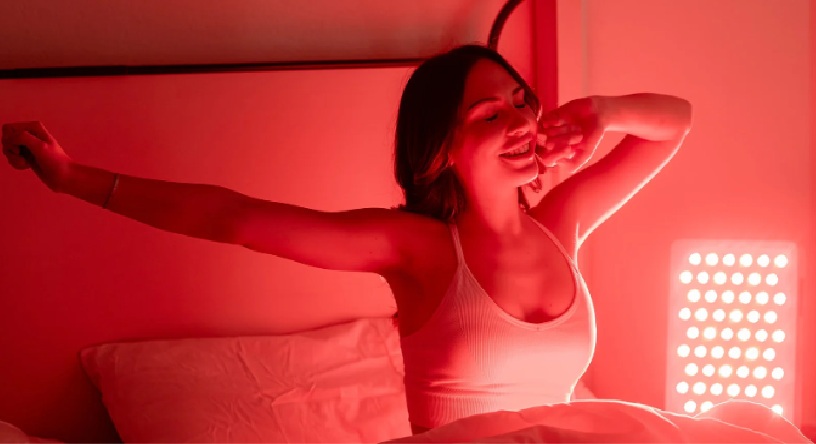

Light therapy lamps have become a popular wellness tool for people seeking natural ways to improve their mood, energy levels, and overall well-being. These specialized devices mimic natural sunlight, offering a simple yet effective solution for various health concerns. Whether you’re dealing with seasonal mood changes, sleep difficulties, or low energy levels, understanding how to properly use these devices can make a significant difference in your daily life.
Understanding Light Therapy and Its Benefits
Light therapy works by exposing your body to bright, artificial light that closely resembles natural sunlight. This exposure helps regulate your body’s internal clock, known as your circadian rhythm, which controls sleep-wake cycles and hormone production.
The benefits of using light therapy lamps extend far beyond just brightening your day. Regular use can help combat seasonal depression, commonly known as SAD (Seasonal Affective Disorder), which affects millions of people during darker months. Many users report improved mood, increased energy levels, and better sleep patterns within just a few weeks of consistent use.
Additionally, these devices can help shift workers, frequent travelers dealing with jet lag, and anyone struggling with irregular sleep schedules. The light exposure signals your brain to reduce melatonin production during the day and increase it at night, naturally restoring your sleep-wake cycle.
Choosing the Right Light Therapy Lamp
Not all light therapy lamps are created equal. When selecting a device, look for lamps that emit 10,000 lux of light intensity—the standard recommended for therapeutic use. This measurement ensures you’re getting enough light exposure to trigger the biological responses you’re seeking.
Size matters too. Larger lamps typically provide more even light distribution, but smaller, portable options work well for targeted use or travel. Consider your lifestyle and where you’ll most likely use the device when making your choice.
Safety features are equally important. Quality lamps should filter out harmful UV rays while providing the full spectrum of visible light your body needs. Look for devices that have been tested for safety and effectiveness, preferably with certifications from recognized health organizations.
Best Practices for Maximum Effectiveness
Timing is crucial when using light therapy lamps. Most experts recommend using your device in the morning, ideally within the first hour of waking up. This timing helps reinforce your natural circadian rhythm and provides energy for the day ahead.
Position your lamp about 16-24 inches away from your face, angling it slightly downward to mimic natural sunlight. You don’t need to stare directly at the light—simply having it in your peripheral vision while reading, eating breakfast, or working is sufficient.
Start with 20-30 minute sessions and gradually work up to the recommended duration based on your lamp’s specifications. Most people find 30-45 minutes daily provides optimal results, though some may need longer exposure times.
Consistency is key. Try to use your light therapy lamp at the same time each day to help establish a routine. Many people find it helpful to combine light therapy with other morning activities like drinking coffee or checking emails.
Safety Considerations and Precautions
While light therapy lamps are generally safe for most people, certain precautions should be taken. If you have eye conditions, take medications that increase light sensitivity, or have a history of bipolar disorder, consult with a healthcare provider before starting light therapy.
Some people may experience mild side effects when first using these devices, including headaches, eye strain, or slight nausea. These symptoms typically subside as your body adjusts to the treatment. If side effects persist or worsen, reduce the exposure time or consult a medical professional.
Avoid using light therapy lamps too late in the day, as this can interfere with your natural sleep cycle. Evening use may make it harder to fall asleep at bedtime, counteracting the benefits you’re trying to achieve.
Enhancing Your Daily Wellness Routine
Light therapy lamps offer a natural, drug-free approach to improving your mental and physical well-being. By understanding how to choose and use these devices properly, you can harness the power of light to boost your mood, regulate your sleep, and increase your energy levels.
Remember that results take time. Most people notice improvements within one to two weeks of consistent use, though some may experience benefits sooner. Be patient with the process and maintain regular usage for the best outcomes.
Consider keeping a simple journal to track your mood, energy levels, and sleep quality as you begin your light therapy journey. This can help you identify patterns and adjust your routine as needed for maximum benefit.